Are chrome bathroom accessories still the safest choice for rentals?
When a rental bathroom needs attention, it is tempting to start with the visible details: a new towel rail, a smarter mirror or a different finish on the taps. But the best choice depends on what the room actually needs. Are you refreshing a serviceable bathroom, or trying to solve problems that call for a full renovation?
Chrome remains a dependable option for rental bathroom accessories. It is familiar to tenants, widely available and generally easy to match if you need to replace one item later. But “safe” does not mean it is always the right answer. A well-planned refresh should prioritise everyday usability, durable fittings and a clear scope of work—not simply repeat the finish used in the last property.
For many landlords, the biggest difference to the look and feel of a bathroom comes not from changing every fitting, but from improving the mirror and its lighting while keeping the existing layout. Here is how to decide where to spend, where to hold back and whether chrome still earns its place.
What makes a finish a safe choice for a rental?
In a rental, the safest finish is one that is practical to maintain and straightforward to replace. A finish may look excellent on installation day, but it also needs to cope with frequent use, cleaning products, hard water and occasional damage. Availability matters too: if a tenant reports a loose towel rail or a damaged accessory, you want to be able to source a replacement without reworking the whole scheme.
Chrome often meets that brief. It is common across taps, shower fittings and bathroom accessories, so coordinating items is usually simple. That makes it an easy to match finish for landlords managing several properties or arranging work to a tight timetable.
- Consistency: chrome accessories can sit comfortably alongside many existing tap and shower finishes.
- Replacement options: it is widely stocked, making like-for-like repairs less of a hunt.
- Familiarity: most tenants understand how to use and clean chrome fittings.
- Visual flexibility: it works with a broad range of tile colours and bathroom styles.
However, chrome is not maintenance-free. Water spots and fingerprints can show, especially on polished surfaces. In hard-water areas, regular cleaning may be needed to keep it looking its best. The landlord’s goal is not to choose a finish that never needs attention; it is to choose one that is durable, maintainable and easy to manage over the life of the tenancy.
Chrome versus other bathroom finishes
Alternative finishes—such as brushed brass, black or brushed nickel—can give a bathroom a more distinctive look. They may be the right choice when the existing scheme already uses them, or when a considered upgrade is part of a wider refurbishment. The risk comes when a single new accessory is introduced without checking the other fittings. A black towel rail beside chrome taps can look deliberate, but it can also read as an accidental mismatch.
Finish Potential advantages Rental considerations Chrome Widely available; familiar; straightforward to coordinate Can show water marks and fingerprints; match the existing chrome tone where possible Brushed finishes Can soften reflections and create a more understated look Check product availability and replacement options before standardising on a range Black Creates a strong, contemporary contrast May need careful coordination; check the coating and cleaning guidance Brass or gold tones Can add warmth and suit an established design scheme Shades vary between manufacturers, so avoid mixing products without checking them in personThere is no universal winner. If the room already has chrome taps and shower controls in good condition, chrome accessories are usually the low-risk choice. If you are renovating and selecting every fitting at once, other finishes can work well—but choose a coordinated range and keep future replacements in mind.
Refresh or full renovation: make the decision before ordering
A common source of wasted spend is treating a tired-looking bathroom as if it automatically needs a full refit. First separate cosmetic shortcomings from functional or building issues. Stained grout, dated accessories or poor mirror lighting may be addressed without moving sanitaryware. Pretty simple.. A persistent leak, damaged flooring, failing waterproofing or a layout that makes the room difficult to use may call for a broader project and professional assessment.
A refresh may be enough when
- The bath, shower, basin and toilet are serviceable and in sensible positions.
- The plumbing is sound and there are no signs of ongoing leaks or water damage.
- Tiles and finishes are basically sound, even if the room feels dated.
- The main problems are poor lighting, worn accessories or a lack of practical storage.
A full renovation may be justified when
- Essential fittings are at the end of their useful life or repeatedly failing.
- There is a persistent problem with leaks, ventilation or damaged surfaces that needs investigation.
- The existing arrangement does not provide safe, usable access to key fixtures.
- Several major elements need replacing together, making a coordinated project more sensible.
For a straightforward refresh, keep the layout if it works. Moving a basin, toilet or shower can introduce plumbing changes, making good, tile repairs and extra labour. A small job can quickly become a larger one once pipe routes and wall finishes are disturbed. Changing the layout may be worth it when it solves a real usability or maintenance problem, but avoid doing it simply to make a modest upgrade feel more dramatic.
Plan around tenant-first bathroom usability
Good rental bathrooms are easy to use without a set of instructions. Consider where a tenant will hang a towel after showering, whether there is a convenient place for toiletries and whether the mirror can be used comfortably in the available light. A visually striking accessory is not an improvement if it is awkwardly placed or leaves too little clearance around a door or shower enclosure.
Before ordering a chrome towel rail, check the wall space, fixings and likely towel use. A heated towel rail may provide warmth and drying, but it needs to be appropriately specified and installed. A simple towel bar or ring may be more suitable where space is limited. Confirm the fixing method and the condition of the wall rather than assuming that old holes or anchors are reusable.
Usability also includes maintenance. Choose fittings that can be cleaned without specialist products, and follow the manufacturer’s care guidance. Provide a practical place for towels and everyday items, but avoid overcrowding a small room with accessories that collect grime or obstruct movement.

Why mirror lighting can be the highest-impact upgrade
If the bathroom layout and main fittings are sound, improving the mirror and its lighting can deliver more noticeable value than replacing a row of accessories. A well-lit mirror supports everyday tasks such as shaving, grooming and applying make-up, while helping a compact bathroom feel brighter. It can also give the room a more finished appearance without moving plumbing or disturbing a large area of tile.
That does not mean every bathroom needs a complex lighting installation. Consider the existing light, the mirror’s position, the available electrical supply and the room’s requirements. Electrical work should be assessed and carried out by a suitably qualified electrician, with fittings selected for the installation location. Do not assume that a mirror light is suitable simply because it is described as a bathroom product; check the product details and installation instructions.
When choosing the mirror, measure the usable wall area rather than relying on a visual guess. The LED Mirror World product range is one supplier to explore, and its mirror size calculator page can help with sizing decisions. Use the calculator as a planning aid, then confirm measurements on site, including clearances from taps, shelves, lights and nearby walls.
Use a paper template before drilling
A paper template is a simple way to check the mirror outline on the wall before committing to fixings. It can help the landlord, fitter and electrician agree the position together, especially when the mirror needs to sit neatly above a basin or between existing features.
- Measure the mirror and cut paper or card to the same external dimensions.
- Mark the centre line and any fixing points using the manufacturer’s information.
- Hold or temporarily secure the template at the proposed height and position.
- Check the view from standing and seated positions where relevant, and confirm the basin and tap remain accessible.
- Check for cables, pipework and suitable fixing points before drilling; ask the relevant trade to verify this where necessary.
- Confirm the final position with everyone involved before the template is removed.
This small check can prevent a mirror being installed too high, too low or off-centre. It also helps keep the scope under control: if the proposed position works with the existing basin and lighting plan, there may be no reason to relocate other fittings.
Keep the specification simple and repeatable
For landlords with multiple properties, standardising a small number of finishes and accessory types can make maintenance easier. It reduces the chance of buying a nearly matching item that looks mirror size calculator wrong, and it can simplify future ordering. A sensible specification might include a preferred chrome range, a standard towel-rail size where the layouts allow it, and a shortlist of mirrors suited to common bathroom dimensions.
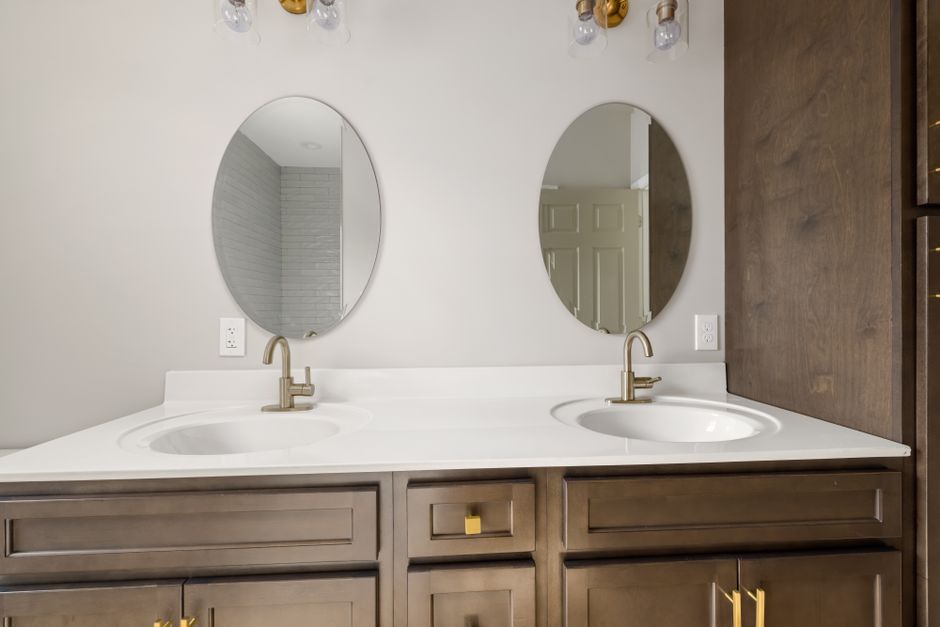
When comparing products, look beyond the photograph. Check the material, dimensions, fixing details, cleaning instructions and warranty terms. For electric products, have the installation requirements reviewed before purchase. Keep product references and purchase records with the property’s maintenance information so a future coordinator can identify the correct replacement.
PropertyData can be useful when researching local rental markets and preparing wider property investment decisions. If you refer readers to a PropertyData resource article in this post, identify it clearly and disclose any commercial relationship. Sponsored content note: this article includes sponsored content relating to PropertyData. A sponsorship disclosure should be transparent and should not be presented as an independent product endorsement.
So, are chrome bathroom accessories still the safest choice?
For many rental bathrooms, yes: chrome remains a practical, familiar and easy-to-match option—particularly when the existing taps and shower fittings are already chrome. Its availability makes replacements simpler, and it can support a tidy refresh without changing the character of the room. But it is not automatically the best finish if the rest of the bathroom points elsewhere, or if you are planning a complete, coordinated renovation.
The safer decision is to start with the condition and usability of the room. Keep the layout where it works, avoid moving plumbing or disturbing tiles without a clear reason, and choose accessories that tenants can use comfortably and maintain easily. If the bathroom mainly feels dated, consider whether improved mirror lighting will do more than replacing every fitting.
In short: match the existing scheme, buy for durability and availability, and spend where tenants will notice the difference every day. Chrome is still a solid default—but a well-lit, well-planned bathroom is the real upgrade.