Do I Need Planning Permission in Knowle for an Extension?
If you live in Knowle, within the Solihull Council area, and are considering extending your home, you’re probably asking: do I need planning permission? With Solihull’s property prices surging, more homeowners are choosing to extend rather than move. But navigating planning rules, especially in conservation areas, can be tricky. This guide will help you understand when you need planning permission, the costs involved, and the tools you can use to get clear answers for your specific project.
Why Are More Knowle Homeowners Choosing to Extend?
According to the Office for National Statistics (ONS), local house prices in Solihull are climbing rapidly, with their latest May 2026 breakdown showing a widening price gap compared to neighbouring boroughs. This means moving to a bigger home is becoming less affordable for many. Extending your current property offers a compelling alternative: more space without the hefty moving costs and the hassle of relocating.
However, it’s vital to understand the rules and the planning procedures involved to avoid costly mistakes.
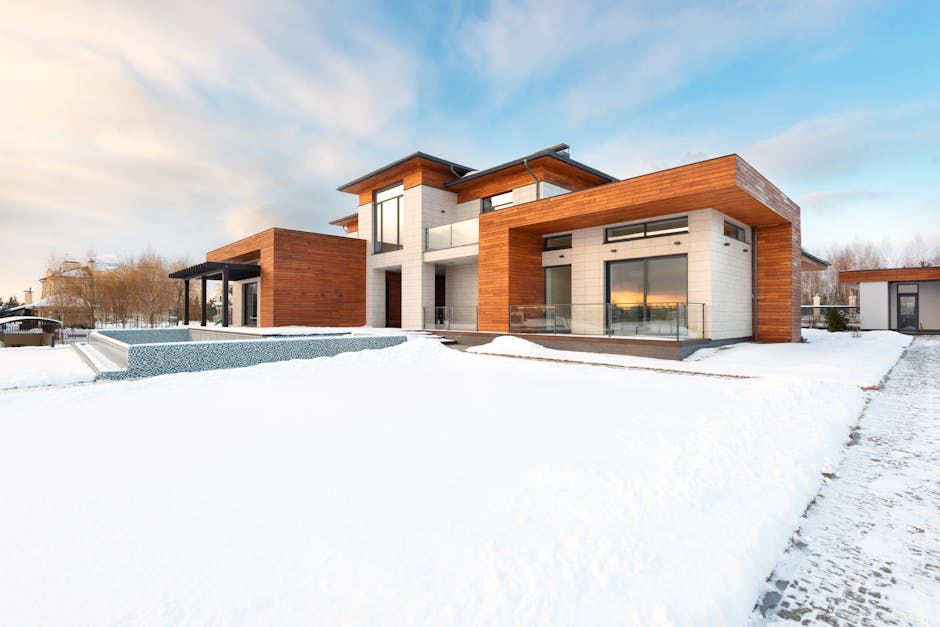
Solihull Council Planning – An Overview
Solihull Council administers planning permissions, which are legal permissions you may need before you start building your extension. The type of permission required depends on your extension's size, location, and nature.
Permitted Development Restrictions
Under the Permitted Development Rights (PD Rights), many extensions can be built without full planning permission, provided they meet certain criteria. These rights are often welcomed as they simplify and speed up the process.
However, in Solihull, especially in conservation areas like parts of Knowle, these rights are restricted to protect the area's character and heritage. If you live in a conservation area, you might need planning permission for works normally allowed under PD Rights elsewhere.
To check if your property lies within a conservation area, visit the Solihull Council website’s mapping tool or contact the planning department.
When Do You Need Planning Permission?
- Two-storey extensions – Almost always require full planning permission regardless of PD Rights.
- Single-storey rear extensions – May qualify for PD if they are under 6 metres for detached houses and under 3 metres for others, but reduced if in conservation areas.
- Side extensions – Usually require permission, especially if they extend beyond the original house's width.
- Extensions altering roofline – Typically require planning permission.
- Listed or conservation area properties – Additional restrictions and consents apply.
Useful Tools for Knowle Homeowners
Before commissioning builders or architects, it’s wise to use Solihull Council’s pre-application enquiry service. This tool lets you get direct advice from planners about your proposed extension. It’s an investment that can save months of delays and uncertainty.
Additionally, Solihull Council’s online planning application and permitted development checks will help you determine if your project needs permission or can proceed under PD Rights.
How Much Will My Extension Cost?
Extension costs vary widely depending on size, type, and complexity. To sanity check costs, I always recommend first calculating prices on a per square metre basis. This allows a realistic budget to form, avoiding The original source surprises later.
Extensions by Size and Type
Extension Type Typical Size (sqm) Average Cost per sqm (incl. VAT) Estimated Total Cost Notes Single-storey rear extension (detached) 20 - 30 £1,800 - £2,300 £36,000 - £69,000 Includes structural works, glazing, and finishes Single-storey rear extension (semi-detached/terrace) 15 - 25 £1,700 - £2,200 £25,500 - £55,000 Slightly cheaper due to shared walls Two-storey extension 30 - 50 £2,200 - £3,000 £66,000 - £150,000 Higher due to foundations and structural complexityThese ranges include VAT at 20%, which is compulsory for building services. Beware quotes that omit VAT details; these tend to catch homeowners off-guard.
What People Forget to Budget For
Contingency
A 10–15% contingency fund should always be set aside. Unexpected issues, especially in older Solihull homes, can mean additional costs once work begins.
Planning and Application Fees
Solihull Council charges around £206 for a standard householder planning application (correct as of 2024). Pre-application enquiries cost about £72 but are highly recommended.
Party Wall Agreements
If your extension affects a shared wall with neighbours, you may need a party wall agreement. Legal and surveying fees for this can add £1,000+.
Professional Fees
Architects, structural engineers, and project managers usually charge between 8–15% of the build cost. Use platforms like Checkatrade or MyJobQuote to source reputable local professionals and get verified quotes.
Moving Costs That Add No Space
Another factor pushing Knowle residents towards extending is the high cost of moving. When you move, you pay for expenses that do not increase your home’s space but quickly drain your budget:
- Stamp Duty Land Tax (SDLT): For properties over £425,000, this can be thousands of pounds. ONS data from May 2026 confirms local average prices well above that threshold.
- Estate Agent Fees: Typically 1-3% of sale price, sometimes with minimum fees.
- Conveyancing Fees: £800 - £1,500 depending on complexity.
- Removal Costs: £500 - £1,500 depending on distance and volume.
- Stamp Duty on new purchase: As above, depending on price.
These costs combined often exceed the price gap between properties in Solihull, making extending a cost-effective strategy.

Tips for Knowle Homeowners Considering Extensions
- Consult Solihull Council early: Use their pre-application enquiry service to avoid surprises.
- Check if your home is in a conservation area: Permitted development rights may be limited.
- Get detailed, VAT-inclusive quotes: Use platforms like Checkatrade or MyJobQuote for trusted builders and professionals.
- Budget a contingency: At least 10% of your estimated build cost.
- Factor in planning fees and professional costs: These are separate from construction costs.
- Remember moving costs: Stamp duty and fees often make moving less economical than extending.
Summary
In Knowle, Solihull, the combination of rising local house prices and hefty moving expenses is seeing many homeowners extend rather than move. While permitted development rights allow some extensions without planning permission, conservation area restrictions and two-storey projects generally require full planning consent.
Use Solihull Council’s pre-application and permitted development tools early. Get multiple detailed, VAT-inclusive quotes, and never forget to budget for contingency and additional fees. Platforms like Checkatrade and MyJobQuote can connect you with trusted local professionals. With careful planning, extending can be a smart, cost-effective way to grow your living space and add value to your Knowle home.