What Furniture Should I Keep When Downsizing to a Studio Apartment?
Downsizing to a studio can feel like a puzzle: you want the pieces that make your home comfortable, but there may be no separate living room, bedroom, and dining room to put them in. The best solution is not to keep every familiar item or replace everything with “small-space” furniture. It is to choose a few appropriately sized, useful pieces that fit your routines—and your new apartment.
In my work with renters and people relocating around Houston, I have seen downsizing moves get more expensive and stressful because someone assumed a favorite piece would fit. Before you decide what to keep, measure the apartment, the furniture, and the route into the unit. Then sort each item into four practical choices: keep, store, sell or donate, and replace.
Start With the Apartment, Not the Furniture
Do not make furniture decisions from a listing photo or a floor plan sketch alone. Studio apartments vary widely: one may have a long, open main room, while another has a nook, a narrow entry, or a kitchen that takes up much of the usable floor space. Even two units with the same square footage can feel very different.
Measure the areas where furniture might go
Ask the property manager for a dimensioned floor plan, but verify the measurements if you can. Measure the length and width of the main room, any sleeping alcove, and the wall areas where you might place larger pieces. Note closets, doors, windows, radiators, kitchen counters, and built-ins. These details determine where furniture can actually sit.
Pay attention to how you will move through the room. A plan that fits a bed, sofa, and table on paper may leave no comfortable path between them. Mark out the footprints of possible furniture with painter’s tape, or sketch the room to scale. Include space to open closet doors, pull out a chair, and get into bed without squeezing past a corner.
Measure the route in, especially the doorway
Before talking about sofas, measure the doorway width. Measure the height and width of the apartment entry, and check the hallway, elevator, stairwell, and any tight turns between the building entrance and your unit. Ask the property manager about elevator dimensions, move-in reservations, loading zones, and rules for protecting common areas.
A piece can fit in the room and still fail at the entrance. Measure furniture at its widest, tallest, and deepest points, including legs, handles, and any parts that cannot be removed. For upholstered furniture, check whether cushions come off and whether the frame can be tilted or disassembled. Do not rely on “it will probably fit.” A tape measure is cheaper than a failed delivery or a last-minute storage bill.
Use a Keep, Store, Sell or Donate, Replace Test
Once you know the apartment’s dimensions and access limits, assess each item based on how you live—not just its price, age, or sentimental value. A useful rule is to keep furniture that earns its space through comfort, function, or flexibility. For bulky pieces that rarely get used, consider whether selling or donating them is simpler than paying to store them.
Decision Choose it when… Ask yourself… Keep The piece fits, gets regular use, and supports your daily routine. Would I use this at least weekly in the studio? Store You have a clear reason to keep it, but it will not work in the apartment right now. Is the future value worth the storage cost and effort? Sell or donate The piece is in usable condition but too large, redundant, or rarely used. Would I choose this item again for a studio? Replace The current piece does not fit the room, your routine, or the route into the unit. Can I wait until after move-in to choose a better fit?Be selective about storage. It can make sense for a high-quality piece you expect to use again, or for a temporary move with a defined end date. But paying month after month to keep a large dining set you may not want later can cost more than selling it and buying appropriately sized furniture when you need it. Compare the likely storage cost over your expected timeline with the value of the furniture.
For selling or donating, leave enough time before moving day. Large items can take longer to sell than expected, and donation organizations may have pickup schedules or restrictions. Make a plan for each piece rather than letting unwanted furniture become a move-day problem.
Prioritize the Furniture That Supports Everyday Life
Start with the basics you rely on every day: somewhere comfortable to sleep, somewhere to sit, and enough storage to keep essentials organized. The right choices depend on your habits. If you work from home, a supportive chair and compact desk may matter more than a full dining set. If you cook often, preserve clear access to the kitchen and a practical place to eat.
Bed: choose comfort without overwhelming the room
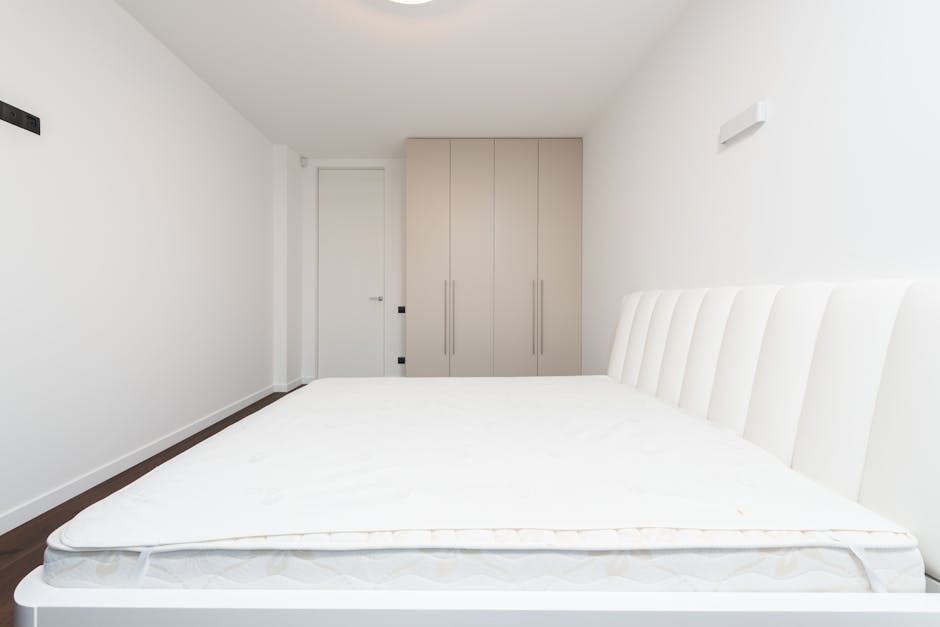
A bed is often one of the largest items in a studio, so measure the footprint before deciding to keep your current one. Include the frame, headboard, and any storage drawers. Consider whether you need a larger bed for comfort or whether a smaller size would free up useful floor area. Keep the mattress if it is in good condition and fits your plan; replacing a perfectly good mattress just to match a new bed frame may not be necessary.
Under-bed storage can be useful if it is easy to access and does not make the bed feel bulky. A simple frame may give the room a lighter appearance than a tall, heavy headboard or an oversized storage base. Prioritize a layout that lets you make the bed and move around it comfortably.
Sofa or seating: match the footprint to your routine
Before keeping a sofa, check its dimensions against both the room and the route in. A deep sectional may be comfortable in a larger home but dominate a studio. If you mostly relax alone, a compact sofa, loveseat, or pair of appropriately sized chairs may provide enough seating with more flexibility. If you host overnight guests, compare the sofa’s sleeping function with other options rather than assuming a sleeper sofa is the best answer.
Think about visual weight as well as measurements. A low-profile sofa with visible legs can feel less imposing than a tall, deep piece with thick arms and a dark, solid base. This does not mean you must choose pale furniture; it means a room can feel crowded even when each item technically fits. Leave some visible floor around larger pieces where possible.
Dining and work surfaces: keep the function, not necessarily the old set
A large dining table may be unnecessary if you usually eat alone or at the counter. A small table that can also serve as a desk, or a drop-leaf table that expands for guests, may be a better fit. If you work from home, avoid relying on a dining chair as an all-day office chair unless it genuinely suits your needs.
Multifunctional pieces can be especially useful in a studio: an ottoman with storage, a side table that doubles as a laptop surface, or a desk that folds away. Still, do not buy an item just because it promises several functions. Check that you will use those functions regularly, and confirm that opening, folding, or converting it will not block the main walkway.
Pay Attention to Scale and Visual Weight
In a studio, every piece is visible from much of the apartment. A room can feel cramped even when there is enough floor area to walk through it. Scale refers to how large a piece is relative to the room and nearby furniture. Visual weight is the sense that an item takes up space, influenced by its height, shape, color, materials, and how much of the floor or wall it blocks.

- Choose a few appropriately sized anchor pieces. A bed and sofa should fit the room without forcing every other item into leftover gaps.
- Look for open space beneath furniture. Visible legs can make a room feel less boxed in than solid bases that meet the floor.
- Avoid stacking too many large silhouettes. A tall bookcase beside a tall headboard and a deep sofa can make a small room feel crowded.
- Keep pathways clear. A clear route from the entry to the kitchen, bathroom, and bed makes the whole studio easier to use.
- Use vertical storage selectively. A well-placed shelf can free floor space, but too many bulky storage units can add visual clutter.
These are guidelines, not rules. A dark sofa can work well in a studio if its proportions are right and the rest of the room is not overloaded. The goal is not to make the apartment look empty; it is to make it feel usable and intentional.
What to Do With Furniture That Does Not Make the Cut
It can be hard to let go of a piece you paid for, inherited, or used for years. Try making the decision based on the next chapter rather than the donate used furniture last one. If an item does not fit the apartment, blocks a useful activity, or requires expensive storage without a clear plan, its past value alone may not justify keeping it.
- List the items you are considering. Record each item’s dimensions, condition, and how often you use it.
- Match each item to a spot. If you cannot identify a realistic location without blocking a doorway or walkway, reconsider keeping it.
- Pick a decision and deadline. Set dates for listing items for sale, arranging donations, or booking storage.
- Wait before replacing. Move in with the essentials, then see what the apartment actually needs.
Waiting to buy replacement furniture is one of the simplest ways to avoid an expensive mismatch. Live in the space for a little while. You may discover that the kitchen counter works as your everyday eating spot, or that a small bookcase is enough for your belongings. Take measurements again before ordering anything, and confirm delivery access with the building.
A Practical Studio Furniture Checklist
Before move day, use this quick checklist:
- Measure the apartment’s usable spaces and note doors, windows, closets, and built-ins.
- Measure the entry doorway, hallways, elevator, stairs, and any tight turns on the route in.
- Measure each item you might keep, including parts that stick out or cannot be removed.
- Choose furniture based on your regular routines, not occasional possibilities.
- Favor multifunctional pieces only when you will use their extra functions.
- Consider scale and visual weight, not just whether an item fits on the floor plan.
- Make keep, store, sell or donate, and replace decisions before moving day.
- Delay nonessential purchases until you have lived in the studio and tested the layout.
The Bottom Line
The furniture worth keeping is the furniture that fits the studio, gets used regularly, and helps your home feel comfortable rather than crowded. Measure the apartment first, check the doorway and full route in, and plan a layout with clear paths. Then keep only the pieces that earn their space, use storage thoughtfully, and wait to replace items until you know what the studio really needs.
When in doubt, measure twice and move once. An appropriately sized room plan is more useful than a hopeful guess—and it can save you money, time, and a stressful moving-day surprise.