What Is a Sensible Way to Prioritise Bathroom Upgrades for an HMO?
In a house in multiple occupation (HMO), a bathroom has to work hard. Several people may need to use it in a short space of time, store their toiletries in a limited area and keep the room usable between cleans. That makes upgrading it less about choosing the most fashionable tiles and more about fixing the things that cause daily frustration, maintenance calls or avoidable wear.
A sensible plan starts with condition and tenant needs, then separates essential repairs from worthwhile improvements and cosmetic extras. In many bathrooms, the best results come from refreshing what is already there, keeping the layout and improving the mirror, lighting, ventilation and storage. A full renovation can be the right answer, but it should be driven by the room’s condition—not by the assumption that every upgrade needs a new suite.
Start with the problems tenants actually experience
Before asking contractors for prices, inspect the bathroom as a tenant would use it. Visit at a realistic time of day, check how quickly the room clears after a shower and look for anything that makes ordinary routines awkward. If possible, ask residents what they would change. Keep the questions practical: Is there enough space for toiletries? Does the mirror fog up? Is the shower reliable? Is the room cold, damp or poorly lit?
For shared bathroom needs, the important details are often small but repeated. A shelf in the wrong place, a shower screen that is difficult to clean or one dim ceiling light can irritate several tenants every day. Conversely, a change that looks impressive in photographs may make little difference to comfort or upkeep.
- Usability: Can residents move safely, reach controls and use the basin without awkwardly leaning around stored items?
- Capacity: Is there somewhere for more than one person’s toiletries, towels and everyday essentials?
- Cleaning: Are there persistent mould spots, failed sealant, limescale traps or hard-to-reach corners?
- Reliability: Do taps, the flush, shower, extractor and lighting work consistently?
- Privacy and comfort: Does the door latch properly, and is the room adequately heated and ventilated?
Record defects with photographs and note whether they are urgent, recurring or merely cosmetic. This gives you a useful brief for a tradesperson and helps prevent a quote turning into an open-ended list of optional upgrades.
Choose between a refresh and a full renovation
A bathroom refresh is usually appropriate when the main fixtures still work, the layout is practical and there are no signs of underlying water damage. It may involve replacing tired sealant, repairing a flush, improving the extractor, repainting suitable surfaces, changing a light or mirror, adding storage and renewing worn accessories. These targeted jobs can improve daily use without taking the room out of action for a major project.
A full renovation is more likely to make sense when the suite is failing, leaks or damp have damaged the structure, the room cannot be cleaned or ventilated adequately, or several essential components are nearing the end of their useful life. Repeatedly patching a leaking shower or a damaged floor can cost more—and create more disruption—than dealing with the cause properly.
Use the condition of the room, not a fixed rule about age, to make the call. A good-quality older bathroom may need only a refresh; a newer one with a persistent leak may need major work. Before committing, establish whether the problem is localised or affects the substrate, pipework, waterproofing or ventilation.
Situation Likely approach Check before deciding Suite works; finishes look dated Refresh fittings, lighting, mirror and storage Are tiles, grout and sealant sound? Recurring mould or condensation Investigate ventilation and moisture sources first Does the extractor work and discharge correctly? Leak, soft flooring or water-damaged wall Repair the source and assess the affected structure Is damage hidden behind the bath, shower or tiles? Multiple failing fixtures and poor layout Price a coordinated renovation Can the layout remain, and what is the disruption plan?Put safety, hygiene and reliability first
Prioritise anything that could cause injury, water damage or loss of an essential facility. A loose grab point, unsafe floor, faulty light, leaking fitting or unreliable toilet should not wait behind a cosmetic upgrade. Check that the door, lock and privacy arrangements work, and make sure the floor is not left slippery by poor drainage or a badly fitted shower screen.
Ventilation deserves particular attention in a shared bathroom. Frequent showers generate moisture, and a window alone may not be enough—especially in colder months when residents are less likely to open it. Check that the extractor is clean, working and suitable for the room. If mould keeps returning, simply painting over it is not a durable solution: identify the moisture source and address ventilation, heating, leaks or other contributing conditions.
Electrical work bathroom photo checklist in a bathroom should be assessed and carried out by a suitably qualified electrician, with the applicable bathroom zones and installation requirements considered. This is especially important when adding illuminated mirrors, changing fittings or moving wiring. Ask the electrician to specify suitable equipment and controls for the location rather than choosing a product first and assuming it can be fitted anywhere.
Keep the layout to control cost and disruption
If the current arrangement works, keeping the basin, toilet, bath or shower in place is often the most effective way to control scope. Moving sanitaryware can involve pipework changes, alterations to waste falls, making good floors and walls, and more extensive tiling. Each extra trade and hidden condition adds time, cost and coordination risk.
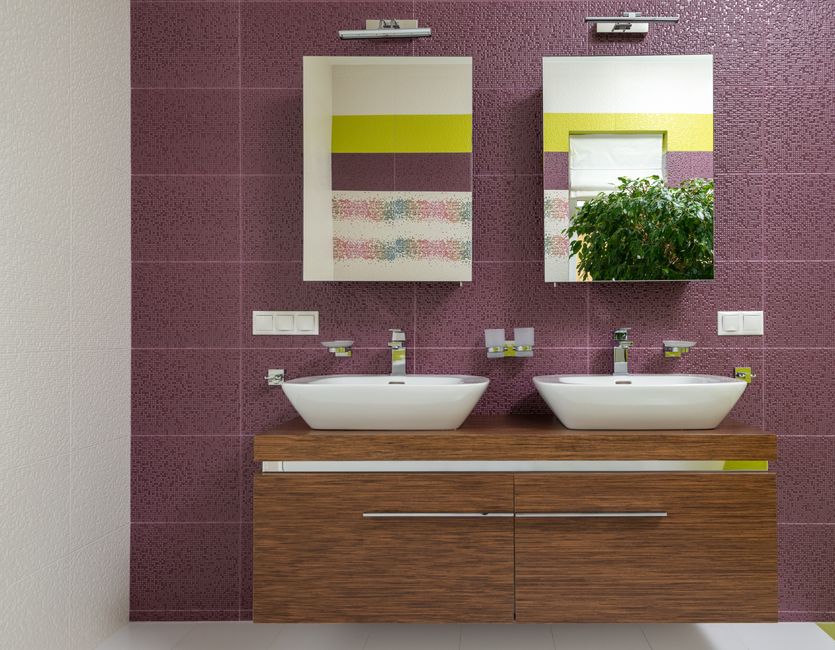
That does not mean layout should never change. If residents cannot use the shower safely, the basin is badly positioned or the existing arrangement creates repeated leaks, redesign may be justified. But ask what specific problem the new layout solves and whether a simpler fix would achieve the same result. A shower screen adjustment, new storage or a different mirror position may be enough.
Agree the scope in writing before work starts. Separate essential repairs from optional improvements, specify who supplies each item and clarify what happens if the contractor finds concealed damage. If the job must remain available to tenants, plan access and temporary arrangements in advance. A short, well-managed refresh may be less disruptive than a renovation that expands after work has begun.
Make the mirror and lighting a priority
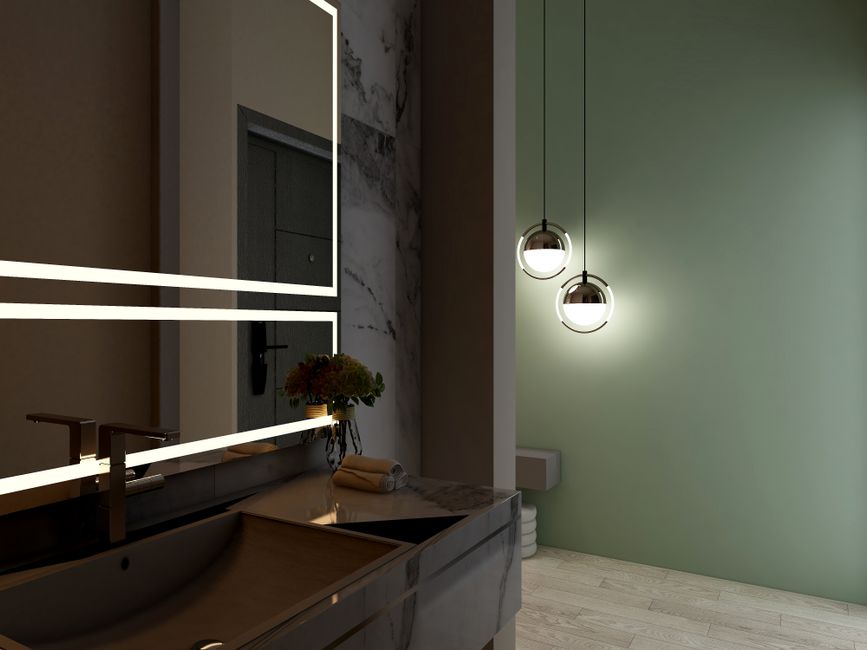
For a relatively contained upgrade, a well-chosen mirror with good lighting can have an outsized effect. It improves a daily task used by every resident, makes the room feel brighter and can provide a clear visual lift without changing the suite. In many HMO bathrooms, this is one of the highest-impact upgrades after essential repairs and ventilation.
Consider how the mirror will be used. Is it large enough for different heights and routines? Does the lighting illuminate faces evenly rather than casting a shadow from above? Is the control easy to find, and can the fitting be cleaned without difficulty? Avoid choosing solely by appearance: check dimensions, mounting requirements, electrical specification and the manufacturer’s instructions.
An anti-fog function can be useful in a shared bathroom, particularly where several showers happen close together or the room has limited natural ventilation. It can reduce the need to wipe the glass before shaving or getting ready. It is not a replacement for effective extraction, though: it helps keep the mirror clear, not remove moisture from the room. Weigh the feature against the product’s cost, energy use and suitability for the installation.
Before buying, measure the available wall area and check for obstructions such as taps, lights, cabinets, door swings and tile edges. LED Mirror World is a product supplier to consider when comparing illuminated mirror options. Its mirror size calculator page can help with sizing, but still verify the measurements on site and check the chosen model’s installation requirements.
A simple paper template method is a useful second check: cut paper or card to the mirror’s proposed outline, tape it to the wall and view it from the basin and doorway. This makes it easier to judge scale, height and clearance before drilling or ordering. Ask the fitter to confirm wall fixings and the location of cables or pipework before installation.
Plan storage for multiple people
Storage for multiple people should be practical, easy to wipe and positioned so it does not crowd the basin or shower. A single narrow shelf may be better than no storage, but it can quickly become cluttered in a shared bathroom. Consider whether residents need space for everyday toiletries, whether towels can be stored elsewhere and how cleaning products will be kept safely away from personal items.
- Use wall-mounted shelves or cabinets where floor space is limited.
- Choose surfaces that tolerate moisture and are straightforward to clean.
- Allow enough clearance around taps, the basin and the shower door.
- Provide hooks or rails where towels can dry without blocking the extractor or radiator.
- Keep shared cleaning supplies clearly separate from residents’ toiletries.
Do not overfill a small room with cupboards. Poorly placed storage can make it harder to clean, block access or create a bump hazard. If several residents need personal storage, individual baskets or labelled sections may work better than one communal shelf—but agree how they will be maintained and cleaned.
Set a clear order of work
A simple priority list helps keep the project focused and gives you a fair basis for comparing quotes. Deal with defects and moisture first, then improve everyday function, and leave purely decorative choices until the practical decisions are settled.
- Make the bathroom safe and watertight: repair leaks, loose fittings, faulty electrics and damaged surfaces.
- Resolve moisture and ventilation: check the extractor, airflow, heating and any recurring damp or mould.
- Improve daily usability: address shower performance, lighting, mirror visibility, privacy and storage.
- Refresh finishes: renew tired sealant, paint and accessories where the underlying surfaces are sound.
- Consider full renovation only if needed: confirm the reason, budget, likely disruption and any hidden-work allowance.
When requesting prices, send the same written scope and photographs to each contractor. Ask them to identify exclusions, lead times, access needs, waste removal, electrical work and any assumptions about existing surfaces. A low quote is not necessarily a good comparison if it excludes the extractor, making good or disposal.
Use market information without letting it dictate the job
https://dlf-ne.org/what-should-i-do-when-a-bathroom-mirror-arrives-damaged/Local rental demand and competing HMO standards can help you judge whether an upgrade is commercially sensible, but they should not override condition or tenant usability. PropertyData publishes property-market information and resource articles that landlords may find useful when considering local context. If you refer to a PropertyData resource article that is sponsored, include a clear sponsored content note alongside the reference so readers can distinguish commercial content from independent guidance.
The most useful test is still straightforward: will this work make the bathroom safer, more reliable, easier to clean or more comfortable for the people using it? If the answer is no, it may be an optional finish rather than a priority.
A practical takeaway
For most HMO bathrooms, the sensible sequence is to fix safety and moisture issues, retain a workable layout, and then target the improvements tenants notice every day. Storage, dependable ventilation and clear mirror lighting can deliver more value than replacing a functioning suite simply because it looks dated. A full renovation is justified when the room’s condition or usability demands it; otherwise, a carefully scoped refresh can improve the bathroom with less cost, delay and disruption.